
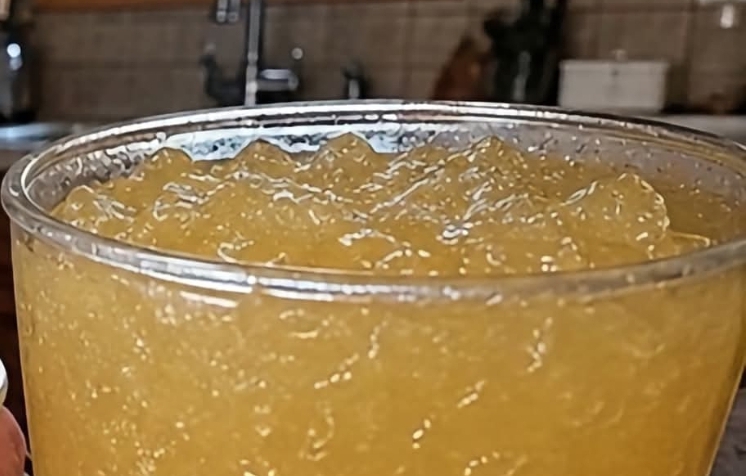
Bone broth is the food behind the wild claim: knee cartilage “completely regenerated” and pain-free walking returned. That headline is screaming about knees, cartilage, and the kind of stiffness that makes every stair feel like a punishment.
That’s the hook, and it lands because so many people know the feeling: you stand up from a chair and your knee answers with a crackling protest. You climb the first steps in the morning like you’re carrying bricks in your joints. By evening, the joint feels hot, tight, and stubborn, like it has rusted itself halfway shut.
The ugly truth is that most people keep blaming age, when the real problem is that the joint is living on scraps. Cartilage is not a magic cushion that lasts forever; it’s more like a shock-absorbing pad that gets squeezed, worn, and starved when the body stops delivering the raw biological fuel it needs.
That’s where the knee reset story gets interesting. Not because broth is a miracle spell, but because it feeds the body the building blocks it uses to keep connective tissue from turning brittle and thin.
The Knee Reset Nobody Talks About
Think of knee cartilage like the rubber coating on a heavy-duty cable. Once that coating starts fraying, every bend, twist, and load scrapes the wire underneath harder and harder.
Bone broth hits a different lever. It delivers collagen fragments, amino acids, and mineral-rich compounds that act like repair crews hauling in fresh materials to a damaged worksite. The first thing people notice is not “instant regeneration” fairy-tale nonsense — it’s less grinding, less stiffness, and a joint that stops acting like sand is packed inside it.
That matters because cartilage has no blood vessels of its own. It survives by soaking up what the surrounding fluid carries in, which means a nutrient-starved joint is like a dry sponge sitting in a dusty garage: it can’t rebound, it can’t cushion, and every step crushes it a little more.
The supplement industry would go bankrupt if people knew what was sitting in the soup pot. There’s no flashy label, no glossy commercial, no boardroom full of executives building a seven-figure campaign around simmered bones.
After a few days of consistency, the shift shows up in the little things: getting out of the car without that ugly stab, turning in bed without the joint barking, walking into the kitchen without negotiating with your own leg. Over time, the pattern gets clearer — the knee stops feeling like a loose hinge and starts behaving like part of your body again.
Why the Joint Feels Better Before It Looks Better
The body does not announce repair with fireworks. It starts by quieting the internal friction, the same way oil calms a squeaky door long before anyone notices the hinge itself has been restored.
Bone broth floods tired tissue with raw biological fuel that connective tissue can actually use. That means less of the dry, sandpaper feeling that turns a morning walk to the mailbox into a grim little battle.
And for anyone who has spent months avoiding stairs, kneeling, or long walks because the knee keeps flaring up, that shift is everything. One day you realize you’re not thinking about the joint every five minutes. That silence is the first real sign that the system is changing.
The second sign is movement. Not superhero movement. Just the clean, ordinary kind: standing up, stepping forward, bending down, and not bracing for the jab.
Why Older Bodies Feel the Difference First
As the years stack up, the body gets less generous with repair materials. That’s when cartilage starts acting like an old mattress with the springs poking through — it still exists, but it no longer absorbs impact the way it should.
Bone broth works like a maintenance crew arriving with fresh padding, fresh fasteners, and fresh support. For older adults, that can mean the difference between a knee that groans under body weight and one that finally stops shouting every time the leg loads up.
Picture an older woman getting out of bed before sunrise. Her first steps used to feel like glass in the joint. Now she plants her foot, stands straight, and moves through the morning without that immediate fear of the next sharp sting.
That’s the payoff people chase when they share these “one food” stories: not fantasy regeneration, but a body that stops collapsing under its own wear.
Why the Morning Matters So Much
The morning tells the truth. If a knee is dry, inflamed, and underfed, the first movements of the day feel like forcing a locked drawer open with a screwdriver.
Feed the system the right material, and the day starts differently. The joint loosens sooner, the steps feel less choppy, and the body stops broadcasting damage every time it changes position.
The cheapest fix gets the least airtime. That’s the ugly reality behind why a kitchen staple gets buried while expensive pills and fancy injections hog the spotlight.
Bone broth is not a magic trick. It is a slow, stubborn rebuild signal for tissue that has been running on empty for too long.
One Small Habit Can Sabotage the Whole Thing
Boiling the broth into a dead, flavorless rush strips out a lot of the very compounds people want from it. A hard, angry boil is like throwing the repair crew into a blender before they ever reach the job site.
Keep it low, keep it slow, and pair it with the right meal instead of treating it like a random side drink. There’s a second layer to this that changes how much of that joint-supporting material your body actually keeps.
That next piece is where the real difference shows up.